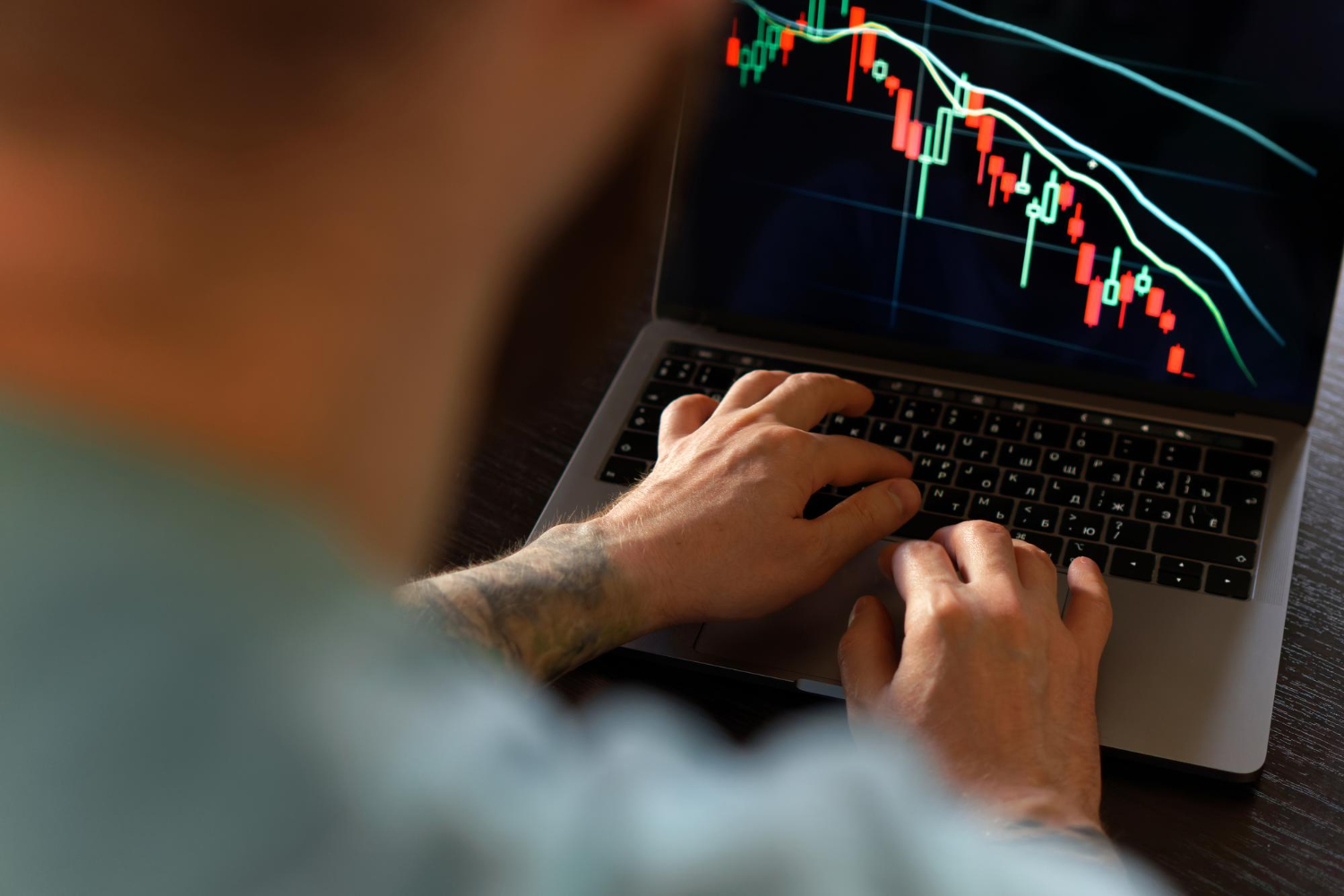


In the dynamic realm of trading, the selection of an appropriate broker is critical, as it can significantly influence the difference between success and setbacks. For traders in the Philippines, the market presents numerous options; however, it is essential to recognise that not all brokers are equally reliable. Understanding the significance of choosing a trustworthy trading partner is vital to one’s financial journey. This article examines key factors to consider, identifies potential red flags, and provides practical advice to assist individuals in navigating the competitive market in search of a broker that aligns with their trading objectives. Engaging with this information will ensure that your trading experience is both secure and rewarding.
Understanding the Importance of Choosing a Reliable Trading Broker
Selecting a reliable trading broker is essential in the competitive arena of forex trading, particularly in the Philippines, where traders encounter a multitude of options. A reputable broker guarantees the safety of investments, complies with trading regulations, and upholds financial integrity, thereby enhancing its market reputation. Given the increasing prevalence of online trading, the significance of thorough broker reviews has become increasingly apparent, as these evaluations enable traders to effectively navigate potential risks and scams. A comprehensive understanding of these factors can greatly impact trading success and the overall user experience.
Why Choosing the Right Broker is Crucial for Successful Trading
Selecting the appropriate broker is crucial for successful trading, as it directly influences trading performance and investment opportunities. A well-selected broker offers the essential tools, resources, and support necessary for the implementation of effective trading strategies, thereby ensuring that one’s trading journey aligns with financial objectives.
The evaluation of potential brokers should encompass various factors, including user testimonials that provide insights into the experiences of other traders, as well as the credibility of the financial advice offered by the broker. A broker that emphasizes transparent communication and provides a diverse range of trading strategies can significantly enhance a trader’s chances of success. Furthermore, it is important to examine the available trading platforms to ensure that the selected broker accommodates various trading styles, whether the preference is for day trading or long-term investing. Ultimately, the alignment between a broker’s offerings and a trader’s individual approach is instrumental in achieving favorable trading outcomes.
Factors to Consider When Choosing a Trading Broker in the Philippines
When selecting a trading broker in the Philippines, it is essential to consider several critical factors to ensure a secure trading environment and optimal trading conditions.
These factors include:
- The broker’s compliance with local trading regulations
- A comprehensive comparison of various brokerage services
- The efficiency of deposit and withdrawal processes
- The overall client reviews that indicate the broker’s reliability and user experience
A thorough understanding of these elements will enable traders to make informed decisions within the competitive landscape of available options.
Licensing and Regulation
Licensing and regulation are essential components in ensuring that a trading broker operates within the legal framework, thereby providing investment protection and ensuring compliance with trading regulations. A broker possessing the appropriate trading licences demonstrates a commitment to transparency and ethical trading practices, which are critical for establishing trust with clients. Regulatory compliance is not merely a formality; it functions as a safety net for traders by enforcing standards that protect their investments.
When a broker adheres to established regulations, it indicates that they are subject to oversight by relevant authorities, which serves to mitigate the risks associated with fraud and malpractice. This level of scrutiny enhances the overall reliability of brokerage services, allowing investors to concentrate on their trading strategies without the concern of the integrity of their chosen platforms. By ensuring that brokers meet stringent requirements, traders can engage in the market with increased confidence, knowing that their funds are safeguarded and their rights are upheld.
Trading Platform and Tools
The trading platform and tools provided by a broker have a significant impact on user experience and overall trading performance. A robust platform, equipped with advanced trading tools, facilitates effective market analysis, enabling traders to make informed decisions and accurately evaluate their trading performance. Features such as customisable charting options, real-time data feeds, and analytical tools enhance a trader’s capability to interpret market trends, identify opportunities, and execute trades swiftly. The integration of automated trading systems contributes to a seamless trading experience, minimising human error and maximising efficiency. By selecting a platform that aligns with their trading style and offers comprehensive support resources, traders are better equipped to navigate the complexities of the market. Ultimately, the appropriate trading tools play a crucial role in refining strategies and achieving consistent results.
Transaction Fees and Commissions
Transaction fees and commissions are critical factors that can significantly impact a trader’s bottom line and overall investment strategy. A comprehensive understanding of the fee structures associated with the withdrawal process and deposit security is essential for maintaining financial integrity within any trading venture. These costs can erode profits, making it vital to incorporate them into any trading plan. For instance, traders who frequently engage in high-volume trading may discover that even minimal per-transaction fees can accumulate rapidly, thereby substantially affecting their overall profitability.
Transparent fee structures not only facilitate effective budgeting but also enhance a broker’s reputation. When clients are informed of fees in advance, it fosters an atmosphere of trust and reliability, which is crucial in the often volatile trading environment. A broker that clearly delineates its commission and fee policies is more likely to cultivate a loyal clientele that feels secure in their trading activities.
Customer Support and Education Resources
Customer support and educational resources are essential components in cultivating a supportive trading community and promoting financial literacy among traders. The availability of knowledgeable support staff and comprehensive educational materials equips traders with valuable insights, enabling them to navigate the complexities of financial markets effectively.
These resources are crucial not only for novice traders seeking to enhance their skills but also for experienced traders who aim to adapt to dynamic market conditions. When traders have access to real-time assistance and informative literature, they are better positioned to make informed decisions, ultimately leading to more consistent and profitable outcomes.
Engagement with a community that prioritises education fosters confidence and resilience, allowing individuals to share experiences, strategies, and success stories. In conclusion, a strong emphasis on customer support and educational initiatives ensures that all members of the trading community can advance in their financial journeys with increased knowledge and greater awareness.
Red Flags to Watch Out for When Choosing a Trading Broker
Identifying red flags is crucial in the broker selection process to prevent potential scams and safeguard one’s investment. Traders must remain vigilant for indicators such as a lack of transparency in operations, inconsistencies in customer support, and the overall reputation of the broker, as these elements are indicative of potential trading risks.
Unrealistic Promises and Guarantees
It is essential to exercise caution with brokers who make unrealistic promises and guarantees concerning trading performance, as these often indicate the presence of scam brokers. Ethical trading practices assert that no broker can guarantee profits; any claims to the contrary may jeopardise the safety of investments. When individuals succumb to such deceptive tactics, they frequently make poor trading decisions motivated by false hopes rather than informed analysis. This misalignment can result in significant financial losses, creating a cycle of frustration and desperation that further impairs their judgement.
Investors must remain vigilant and prioritise thoroughly researched strategies over enticing offers. By concentrating on ethical trading practices and understanding the inherent risks of the market, they can better protect their investments. Ultimately, fostering transparency and integrity in trading practices not only enhances individual financial security but also contributes to the establishment of a more stable and trustworthy market environment.
Lack of Transparency and Poor Communication
A lack of transparency and ineffective communication can significantly undermine a broker’s trustworthiness and adversely affect their reputation within the trading community. Brokers that do not provide clear information regarding their trading conditions, fees, and support channels often raise concerns among potential clients. When traders are unable to easily access relevant information or receive timely assistance, they may develop hesitations and scepticism regarding the broker’s intentions. In an environment where confidence is essential, effective communication strategies play a crucial role in fostering a sense of security, ensuring that clients feel supported and valued.
Ensuring transparency in all interactions not only reinforces a broker’s reliability but also promotes the development of long-term relationships based on mutual respect and understanding. Ultimately, members of the trading community tend to prioritise brokers who demonstrate a commitment to transparency and recognise communication as an integral aspect of their service, thereby enhancing their overall reputation.
Negative Reviews and Feedback
Negative reviews and feedback from clients serve as significant indicators of a broker’s performance and overall reputation. Conducting thorough due diligence by assessing a broker’s trading history and client reviews is essential for traders to avoid potential pitfalls in the competitive landscape of trading options. Taking the time to examine client experiences provides valuable insights that may not be apparent through superficial evaluations. Such reviews often reveal critical aspects, including the quality of customer service, withdrawal processes, and overall satisfaction levels.
A balanced evaluation of both positive and negative feedback enables traders to develop a comprehensive understanding of which brokers are genuinely reliable and which may struggle under pressure. This level of scrutiny is crucial in ensuring that traders can make informed decisions, thereby minimising the risk of engaging with brokers that neglect their clients’ needs or fail to fulfil their commitments. Consequently, being diligent in the gathering and analysis of client reviews is not merely a prudent strategy; it is a critical step in successfully navigating the complexities of the trading environment.
Tips for Finding a Reliable Trading Broker in the Philippines
Identifying a reliable trading broker in the Philippines necessitates comprehensive research and meticulous broker selection to effectively navigate the competitive trading landscape.
Traders should prioritise brokers that demonstrate transparency, security, and positive user experiences while evaluating various options to determine the most suitable choice for their trading requirements.
Research and Compare Multiple Brokers
Conducting thorough research and comparing multiple trading brokers is vital for comprehending the various trading conditions they provide and their impact on trading performance. By examining user experiences and performance metrics, traders can make informed decisions that align with their investment strategies. The importance of a comprehensive evaluation cannot be overstated, as different brokers may offer diverse commission structures, leverage options, and spreads that directly affect overall profitability.
Additionally, factors such as execution speed, customer service quality, and the efficiency of deposit and withdrawal processes significantly influence the user experience. By taking the time to compare these criteria, traders can identify the broker that best aligns with their specific needs, thereby enhancing their trading experience. Ultimately, making a well-informed choice can lead to a more successful trading endeavour, minimising unnecessary frustrations and maximising potential returns.
Read Reviews and Ask for Recommendations
Reading reviews and seeking recommendations within the trading community can provide valuable insights into a broker’s reliability and reputation. Client feedback and user testimonials serve as essential resources for evaluating a broker’s overall service quality and performance. When traders share their experiences, they contribute to a collective knowledge base that assists others in navigating the often-complex world of finance. By accessing this repository of insights, potential clients can uncover critical information regarding trading platforms, customer support, and the range of financial products offered.
Participating in community discussions can reveal aspects of a broker that may not be readily apparent through official channels, thereby enabling traders to make well-informed decisions. Ultimately, these shared experiences play a vital role in fostering trust and confidence, which leads to more informed and successful trading practices.
Test the Broker’s Services with a Demo Account
Testing a broker’s services through a demo account offers traders an opportunity to gain a comprehensive understanding of the trading environment and its impact on trading performance. This trial period enables traders to manage risks effectively while assessing the broker’s user experience prior to allocating real capital. Utilising a demo account allows traders to experiment with various trading strategies without the concern of financial loss, thereby facilitating the refinement of their skills in a risk-free setting. Furthermore, it provides a valuable opportunity to evaluate the array of tools and features that a broker offers, including charting software, market analysis resources, and customer support.
This hands-on experience not only fosters confidence but also aids traders in identifying any potential limitations within the broker’s platform. Demo accounts play a crucial role in enabling traders to make informed decisions that align with their individual trading objectives and risk tolerance.