
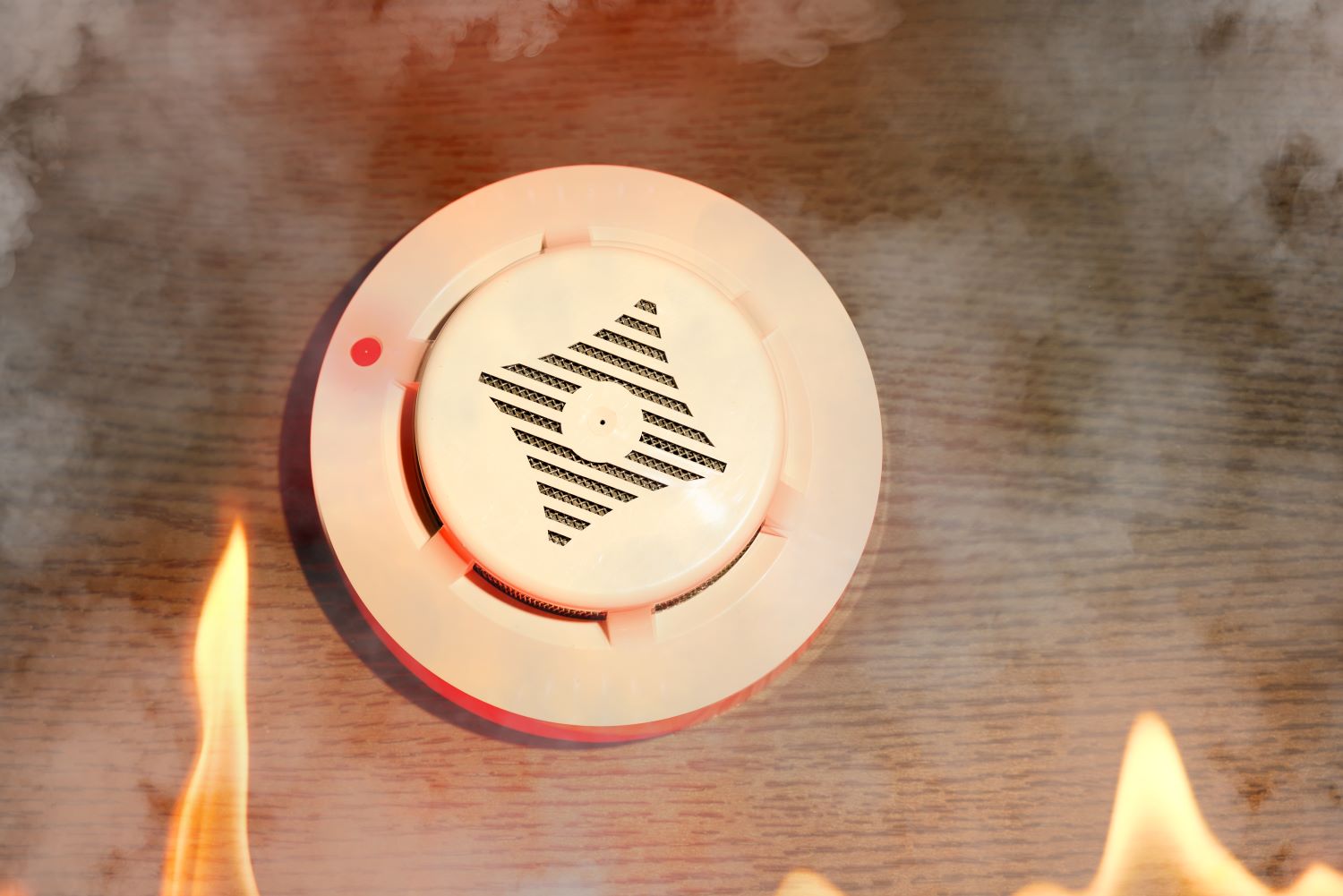
A Fire Alarm System is made up of many connected devices—smoke detectors, heat detectors, manual stations, and control panels. Each part plays a critical role in detecting fire and alerting occupants. But what happens if just one of these devices fails? While modern systems are designed with safeguards, a single weak link can still create risks if not addressed quickly.
How Fire Alarm Systems Work Together
A Fire Alarm System functions as a network. Each device communicates with the central control panel:
- Detectors sense smoke, heat, or flames.
- Manual stations allow people to trigger alarms.
- Notification devices such as bells or strobes warn occupants.
- The control panel processes signals and activates the response.
If one device fails, the system may still function—but not at its full potential.
Possible Scenarios When a Device Fails
- Smoke Detector Failure
- A fire may go undetected in the area covered by that detector.
- The system will still respond if other detectors activate, but coverage has a gap.
- Heat Detector Failure
- Fires that start in kitchens, garages, or mechanical rooms may not be detected quickly.
- This can delay the alarm and increase damage risk.
- Manual Station Failure
- Occupants may be unable to raise the alarm if they spot fire before detectors do.
- Other stations in the building may still work, but valuable time could be lost.
- Notification Device Failure
- If a bell or strobe doesn’t activate, people in that area may not hear or see the alarm.
Evacuation could be delayed, especially for those with hearing or visual impairments.
- If a bell or strobe doesn’t activate, people in that area may not hear or see the alarm.
- Control Panel Malfunction
- This is the most serious scenario, as the Fire Alarm System relies on the panel to coordinate all signals.
- A faulty panel can lead to widespread failure, making servicing critical.
Built-In Safeguards in Modern Fire Alarm Systems
Fortunately, many modern systems are designed with protections to minimize risk:
- Self-Diagnostics: The control panel alerts building managers when a device fails.
- Redundancy: Multiple detectors cover overlapping areas.
- Fault Signals: If wiring or communication issues occur, the system signals a fault immediately.
- Regular Testing Requirements: Codes mandate frequent inspections to catch failures early.
How to Reduce the Risks of Device Failure
- Regular Maintenance: Schedule inspections and servicing as required by code.
- Monthly Testing: Ensure alarms, detectors, and manual stations work as expected.
- Immediate Repairs: Replace or repair faulty devices quickly.
- Professional Service: Use certified technicians who understand complex Fire Alarm System designs.
- System Upgrades: Modernize older systems to take advantage of smarter diagnostics and better reliability.
Conclusion
When a single device in a Fire Alarm System fails, the entire system doesn’t necessarily stop working—but safety is compromised. Gaps in detection or notification can delay evacuation and increase risks. That’s why regular maintenance, testing, and timely repairs are essential. With proper care, your fire alarm system will continue to protect lives and property, even if one device encounters a problem.